
Harper & Debbage are proud to support National Plant Health Week 2026, an annual UK‑wide week of action designed to raise public awareness of how we can all help keep plants healthy. The campaign brings together more than 30 organisations across government, research, conservation and horticulture, all committed to protecting the nation’s plants and trees.
This year’s theme celebrates the importance of being a good plant health citizen, recognising the value of healthy plants, understanding the threats they face and taking simple, responsible actions to reduce risks. These behaviours form part of a wider national effort to build a strong biosecurity culture across society.
As holders of a Plant Heritage, National Plant Collection of Fuchsias introduced by James Lye a leading Victorian grower, exhibitor and hybridiser of fuchsias, we are the project lead for the Fuchsia Gall Mite Monitoring Project in the United Kingdom, in partnership with The British Fuchsias Society and other partners.
Table of Contents
Why National Plant Health Week Matters
National Plant Health Week is a collaborative effort to amplify vital messages about plant health, biosecurity, and public responsibility. Over the last decade, participating organisations have delivered education, training, and citizen‑science initiatives to help the public understand how everyday choices can reduce the spread of pests and diseases.
The week also incorporates the United Nations International Day of Plant Health, reinforcing the global importance of protecting plants for biodiversity, climate resilience, food security and cultural heritage.
Focusing on Fuchsia Plant Health
For Harper & Debbage, National Plant Health Week is an important opportunity to highlight one of the most significant threats to Fuchsias in the United Kingdom: Fuchsia Gall Mite (Aculops fuchsiae).
- While the mites themselves are microscopic, the damage is distinctive:
- swollen or blistered shoot tips
- distorted, crumpled, or “cauliflower‑like” growth
- reduced flowering
- The key risk period runs from May to September/October, when new growth is most previlant.
Raising awareness during Plant Health Week, helps gardeners recognise symptoms early and take action to prevent further spread.
Fuchsia Gall Mite Monitoring Project
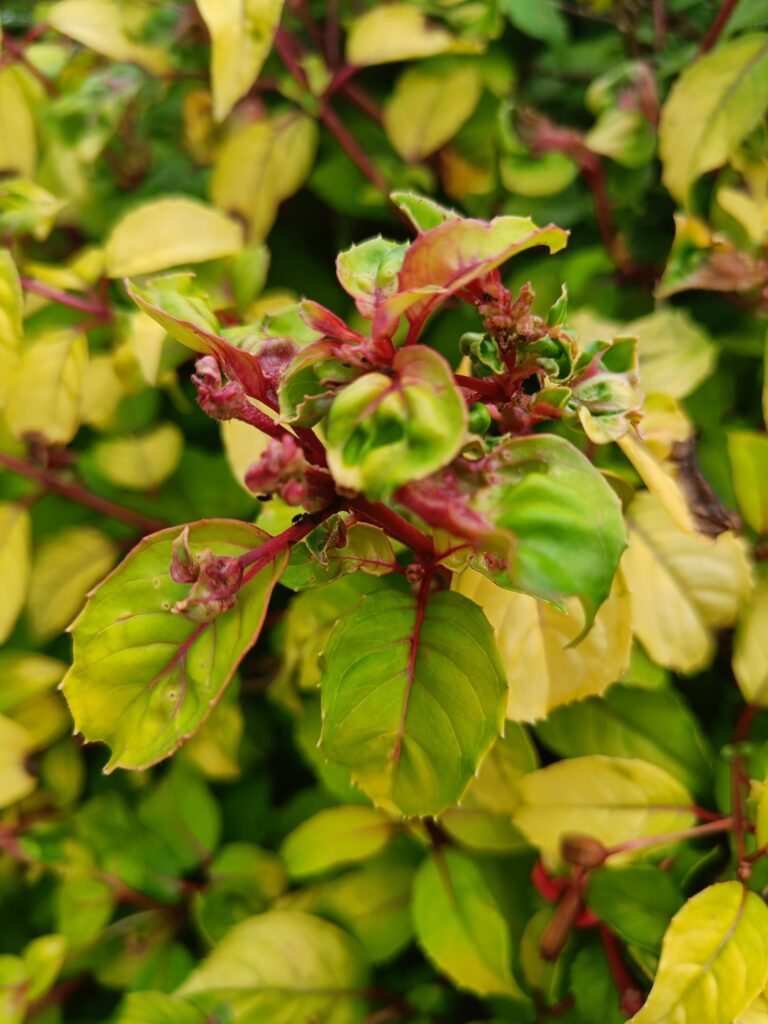
The United Kingdom lacks a complete picture of where Fuchsia Gall Mite is present and how it is spreading. The Fuchsia Gall Mite Monitoring Project, lead by Harper & Debbage, supports national plant health goals by:
- Tracking its spread
- Identifying potentially resilient or more prone cultivars
- Engaging the public to spot the symptoms and report sightings
- Educating the pubic on how to manage infestations
This citizen‑science approach aligns directly with the national campaign’s emphasis on public engagement and responsible behaviour, empowering individuals to contribute to plant health surveillance and biosecurity culture.
Help strengthen our understanding of Fuchsia Gall Mite. If you’ve spotted symptoms, please share your observation by submitting a sighting, or view the latest confirmed and suspected Fuchsia Gall Mite sightings on our interactive map.
Actions You Can Take This Plant Health Week
Plant Health Action highlights simple steps everyone can take to be a good plant health citizen, including:
- Look out for signs of pests and diseases on plants and trees and report them through appropriate channels such as TreeAlert for tree pests.
- Don’t risk it — avoid bringing plants, seeds, fruit, or cuttings back from abroad, as these may carry harmful pests or pathogens.
- Buy responsibly from reputable UK suppliers to reduce the risk of introducing new pests and diseases.
- Keep it clean — clean boots, tools, bikes and buggies before visiting gardens, woodlands, or parks to avoid spreading harmful organisms.
- Value healthy plants and understand how everyday choices contribute to national biosecurity culture.
Plant Heritage and National Plant Collections
As a partner of National Plant Health Week, Plant Heritage plays a vital role in UK plant conservation. Through the National Plant Collection Scheme (currently over 730 National Collections) and the Plant Guardian Scheme (Currently over 3000 plants under guardianship).
Their involvement reinforces the shared commitment across the horticultural community to protect plant diversity and promote responsible stewardship. Plant Heritage supports the safeguarding of cultivated plant diversity, including historic fuchsia cultivars such as those bred by James Lye.
Working Together for Plant Health
National Plant Health Week is a reminder that protecting plant health is a shared responsibility. By staying alert, making informed choices and participating in citizen‑science initiatives, we can all help safeguard the plants that support our gardens, landscapes, wildlife and cultural heritage.
Harper & Debbage are proud to stand with Plant Health Action, Animal and Plant Health Agency (APHA), The Royal Horticultural Society, Plant Heritage and the wider UK plant health community to protect the plants we all love, this week and every week of the year.